Claire Adams’ ILANZ Takeaways: Tikanga, Law & Inspiration
Claire joined Prue Tyler and Caroline Ferguson at this year’s ILANZ Conference in Tāmaki Makaurau. She shares her takeaways from the event. One session in particular – on tikanga Maori and law reform – left a lasting impression.
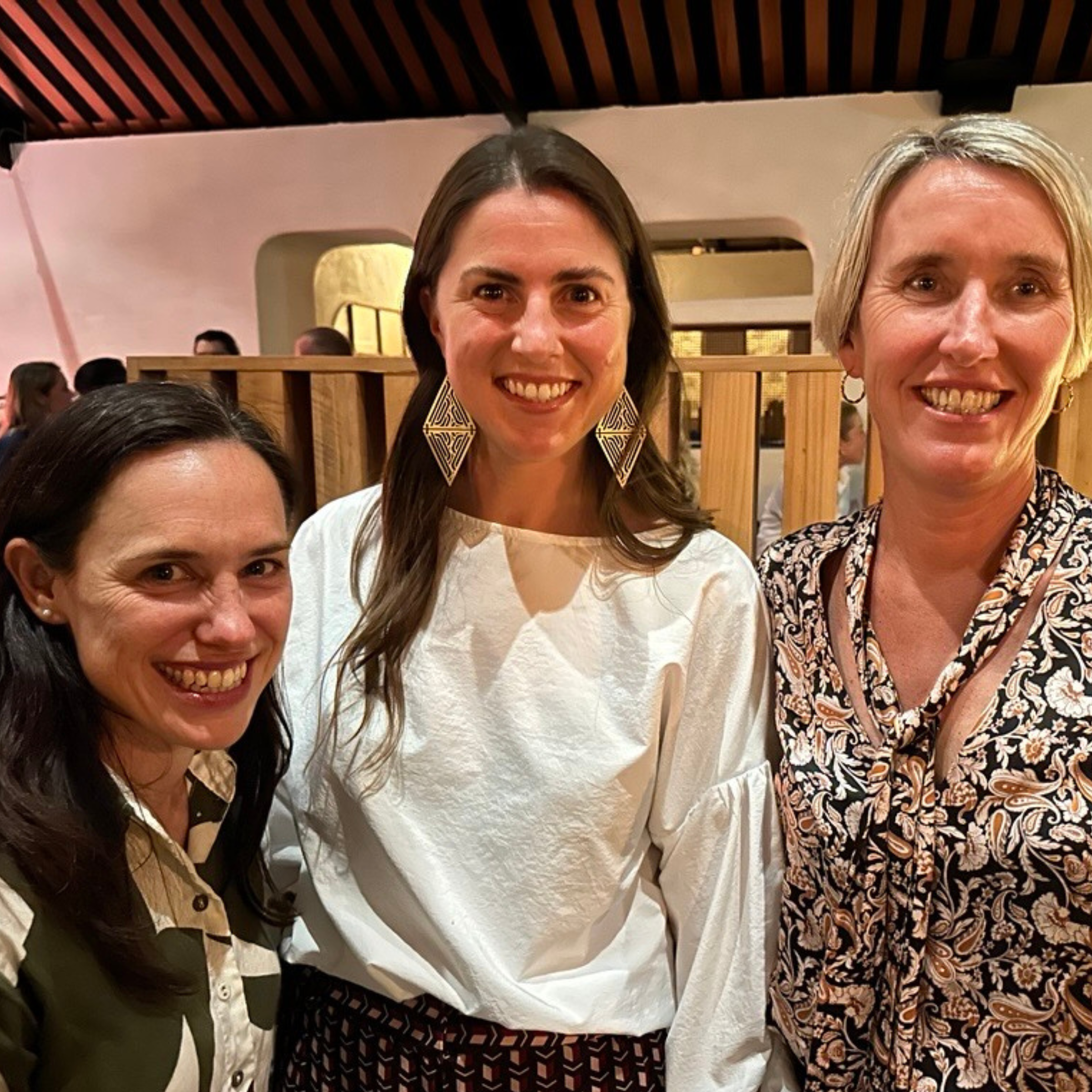
The ILANZ Conference in Tāmaki Makaurau this year was energising, offering opportunities for connection and a great variety of sessions, from navigating crisis management to exploring how cortisol affects our wellbeing. The highlight for me was Annette Sykes' session on tikanga and law reform. As I'm currently working for a post settlement hāpu trust, it was particularly impactful – although this kaupapa affects us all.
Annette is of Ngāti Pikiao, Ngāti Mākino and Pākehā descent and is a Māori rights lawyer and activist. She delivered a powerful kōrero, sharing compelling insights into tikanga Māori and its foundations in Māori cosmology. She reminded us that tikanga is not just a set of rules, but a worldview rooted in whanaungatanga – the interconnection between the living, ancestors, land, and wider environment. Tikanga is intended to maintain balance and uphold collective wellbeing.
To demonstrate the sharp contrast between tikanga and the Western legal system, she used the example of a criminal case. A tikanga approach assumes collective accountability and focuses on restoring balance through shared responsibility. The Western legal system centres on individual accountability and punitive, often isolating, responses – this isn't serving those in our court system or creating a pathway for enduring positive outcomes.
Annette also addressed concerns about the speed and quality of legislative change in Aotearoa. She pointed to a pattern of sidelining Māori experts in relevant matters, leading to laws that not only miss the mark, but actively undermine Māori tikanga and Māori potential. Her message was clear, until Māori knowledge systems are given genuine space in decision-making, the outcomes will continue to fail.
She concluded by challenging us as in-house lawyers to be active in understanding Treaty settlements and meeting our associated obligations. I was inspired to hear that one of the ways she expresses this is by including in her employee contracts the opportunity to learn te reo, the reason being that te reo Māori is the gateway to understanding tikanga Māori.
SHARE THIS ARTICLE
SHARE THIS ARTICLE